
Why Social Media Is Non-Negotiable for Modern Law Firms
In today’s competitive legal market, a strong digital presence is critical for success.
Social media has redefined the way businesses connect with clients, and law firms that adapt are reaping the rewards.
Potential clients now rely heavily on online platforms for information, recommendations, and professional services.
By embracing social media, law firms can establish credibility, attract new clients, and remain at the forefront of the industry.
Key Benefits of Social Media for Law Firms
1. Build Trust and Credibility
A professional social media presence reinforces trust and positions your firm as a reliable expert in its field.
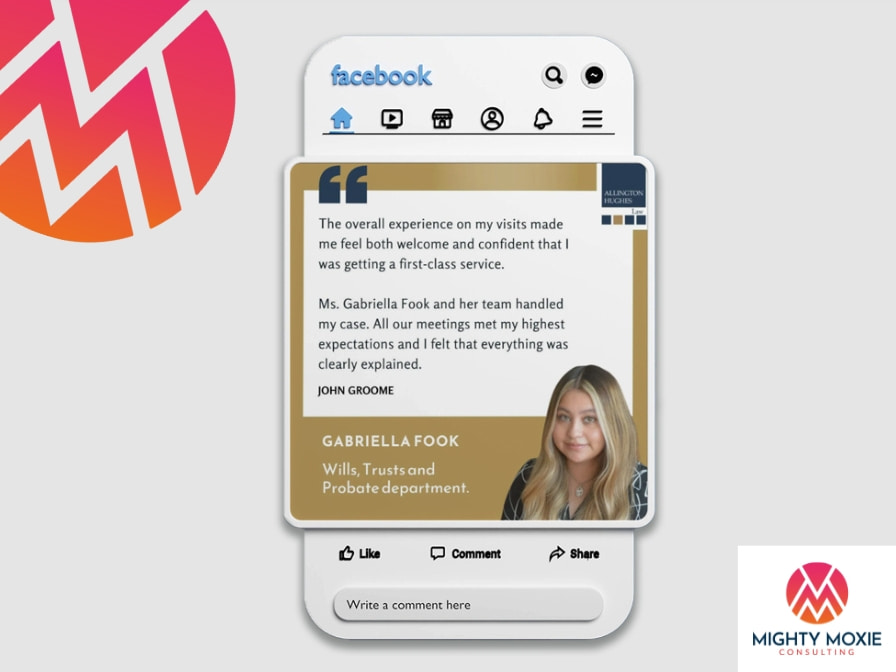
Sharing testimonials, client success stories, or industry awards can demonstrate your expertise.
For example, a firm specialising in employment law might share updates about high-profile cases they’ve handled to highlight their capabilities.
2. Increase Visibility and Attract New Clients
Social media enables firms to extend their reach beyond their immediate locality. Strategic use of hashtags, community engagement, and targeted campaigns can draw attention from the right audiences. For example, a personal injury law firm can use social media to connect with clients looking for support after workplace incidents.
3. Engage Directly With Clients
Social media is an interactive platform, allowing law firms to engage directly with potential clients. Hosting Q&A sessions, polls, or providing legal tips can help build trust and foster long-term relationships.
4. Showcase Your Expertise
Regularly sharing content such as legal tips, updates on legislative changes, or case studies demonstrates your authority. A family law firm, for example, might share posts like “5 Things to Know Before Filing for Divorce” to educate and attract potential clients.
5. Cost-Effective Marketing
Social media marketing is often more affordable than traditional methods, yet it can yield impressive returns. Even small budgets can generate significant engagement and lead generation when managed strategically.
Common Misconceptions About Social Media for Law Firms
Some firms hesitate to adopt social media due to concerns about professionalism or the belief that their clients don’t use these platforms. However, data shows that even older and more traditional demographics are active on platforms like LinkedIn and Facebook.
A professional and consistent social media presence can elevate your firm’s reputation rather than harm it.
Case Study
Increasing a Law Firm’s Social Media Presence
A multi-practice law firm partnered with Mighty Moxie Consulting to enhance their presence on social media. The firm aimed to engage with more potential clients and raise awareness of their services. By developing a tailored social media strategy, they achieved:
- A 107% increase in engagement on social platforms.
- A significant boost in visibility within their target audience.
- More enquiries for their services, translating into tangible business growth.
This case study demonstrates the value of a focused approach to social media. To learn more about this success story, read the full case study here.

Common Mistakes Law Firms Make With Social Media
While social media offers significant opportunities, many law firms struggle to use it effectively. Avoiding common pitfalls can ensure your firm maintains a professional image and engages your audience effectively.
1. Setting Up Social Channels But Not Posting
It’s not uncommon for law firms to create social media profiles and then leave them inactive. This creates a negative impression, as potential clients visiting your profiles may assume your firm is disorganised, unprofessional, or even no longer in business. Active and consistent posting is essential to maintain credibility and keep your audience engaged.
2. Sporadic or Infrequent Posting
Posting once in a while, or going months or years without updates, can be just as damaging as an inactive account. Inconsistent posting gives the impression that social media isn’t a priority for your firm or, worse, that your firm itself may no longer be operational. Consistency builds trust and keeps your firm top of mind for potential clients.
3. Using Poor or Unprofessional Graphics
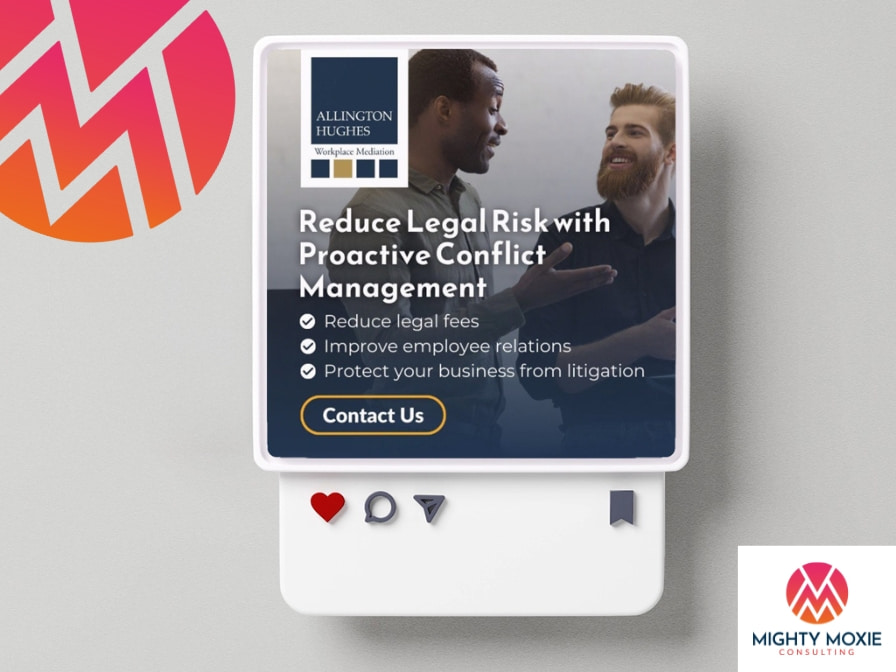
Graphics that are poorly designed, pixelated, or not aligned with your firm’s branding can damage your professional image. Consistency in fonts, colours, and overall style across all visuals reinforces your brand identity. High-quality graphics that reflect your firm’s professionalism are crucial for creating a positive impression.
4. Posting Content That Doesn’t Resonate With Your Audience
Many law firms make the mistake of posting overly technical legal updates filled with jargon.
While these posts may showcase your expertise, they often fail to connect with potential clients who don’t understand the legal terminology or see how it relates to their needs.
Instead, focus on writing posts that translate legal concepts into practical advice, helping consumers understand how these updates impact them.
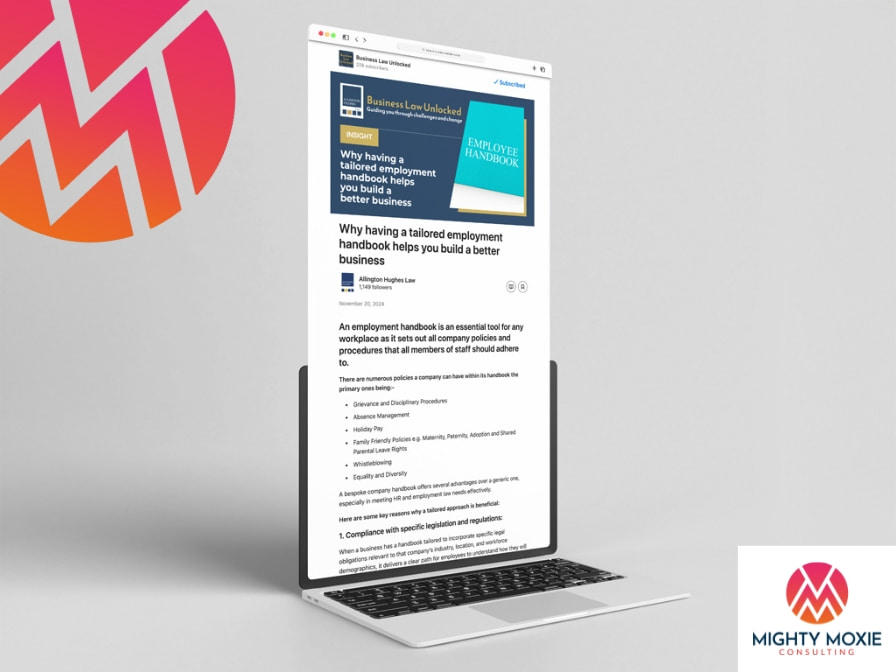
For example, instead of detailing a new law in complex terms, explain how it affects everyday scenarios like employment contracts, family disputes, or property purchases.
5. Giving Lawyers or Support Staff Responsibility for Marketing
Assigning social media and marketing responsibilities to lawyers or support staff is a common mistake.
These individuals are often too busy with fee-earning work or their core job roles to focus on marketing.
As a result, social media channels are neglected, and marketing efforts can stall. Additionally, while lawyers excel in their legal expertise, they may lack the specific skills and strategies needed to execute an effective marketing campaign.
Marketing is a specialised area that requires dedicated focus and expertise, which internal staff may not have the time or training to provide.
6. Not Engaging a Dedicated Law Firm Marketing Agency
Trying to handle marketing and social media in-house without professional support can lead to missed opportunities and wasted time.
Partnering with a dedicated law firm marketing agency ensures your channels are managed strategically and consistently.
Law Firm Social Media Packages
At Mighty Moxie Consulting we have years of experience in the legal sector and specialise in understanding the unique needs of law firms, from marketing strategy, to content creation.
Our tailored marketing packages are designed to drive results, allowing your staff to focus on their core responsibilities. Learn more about our law firm marketing packages here.
Social Media Platforms Law Firms Should Consider
The go-to platform for professional networking and thought leadership. It’s ideal for sharing articles, case studies, and legal updates.
Great for community engagement and reaching local audiences. Share client success stories, firm updates, and legal tips.
Humanise your firm with behind-the-scenes content, team introductions, and easy-to-digest visuals.
X (Formerly Twitter)
A platform for staying on top of current events, engaging with legal news, and connecting with other industry professionals.
Best Practices for Law Firms on Social Media
1. Set Clear Objectives
Define what success looks like for your firm, whether it’s increasing brand awareness, generating leads, or improving engagement.
2. Post Regularly
Consistency is key. Use a content calendar to ensure frequent and relevant posts that keep your firm top of mind.
3. Prioritise Quality Content
Focus on content that resonates with your audience, such as legal insights, FAQs, or behind-the-scenes updates.
4. Engage With Followers
Reply to comments and messages promptly to show you’re approachable and client-focused.
5. Monitor and Adjust
Use analytics tools to track performance and refine your approach based on what works best.
Consequences of Ignoring Social Media
Law firms that neglect social media risk being perceived as outdated or inaccessible. Clients expect to see a robust online presence as evidence of professionalism and relevance. Without it, your firm could lose business to competitors actively engaging their audience online.
How to Get Started
- Identify which platforms your clients are most active on
- Create polished, branded profiles that reflect your firm’s professionalism.
- Develop a content strategy that includes educational posts, client success stories, and updates about your services.